Understand your borrowing position
Start with a Home Kickstart and an indicative borrowing assessment through our finance partner. There's no need for a formal loan application at this initial stage.

Not sure whether to build new or buy established? This guide will walk you through both options, from government support and the buying process to the key differences worth considering, helping you decide which pathway could be right for you.
Building new and buying established both have their advantages, depending on what matters most to you. Here's how they compare when it comes to location, timing, home features and what you might need to compromise on.
Choose from available floorplans, finishes and features to create a home that feels more like yours.
Modern designs, new fixtures and generally fewer immediate maintenance needs compared with older homes.
Eligible new homes may qualify for additional grants and government support not available for established properties.
Inspect the finished home, its layout and surroundings before making your decision.
Explore existing neighbourhoods, schools, transport and amenities that may suit your lifestyle.
You may be able to move in after settlement rather than waiting for a home to be built.
Eligible first home buyers may receive a government grant when building or purchasing a new home. The amount depends on your state and eligibility.
The Government may contribute up to 40% of an eligible new home's price, reducing the amount you need to borrow. A minimum 2% deposit is required.
When purchasing vacant land with a separate building contract, stamp duty, if payable, is generally calculated on the land value rather than the completed house and land price. First home buyer concessions may reduce or eliminate this cost.
The First Home Owner Grant is generally not available when purchasing an established home that has previously been lived in.
The Government may contribute up to 30% of an eligible established home's price, helping reduce your home loan. A minimum 2% deposit is required.
Stamp duty, if payable, is generally calculated on the value of the established property, including the house and land. First home buyer concessions may reduce or eliminate this cost.
General information only. Government support, property limits and stamp duty concessions depend on eligibility and state rules. Help to Buy is shared equity, not a grant; the Government's share must eventually be repaid based on the property's value. Stamp duty treatment also depends on the purchase and contract structure.
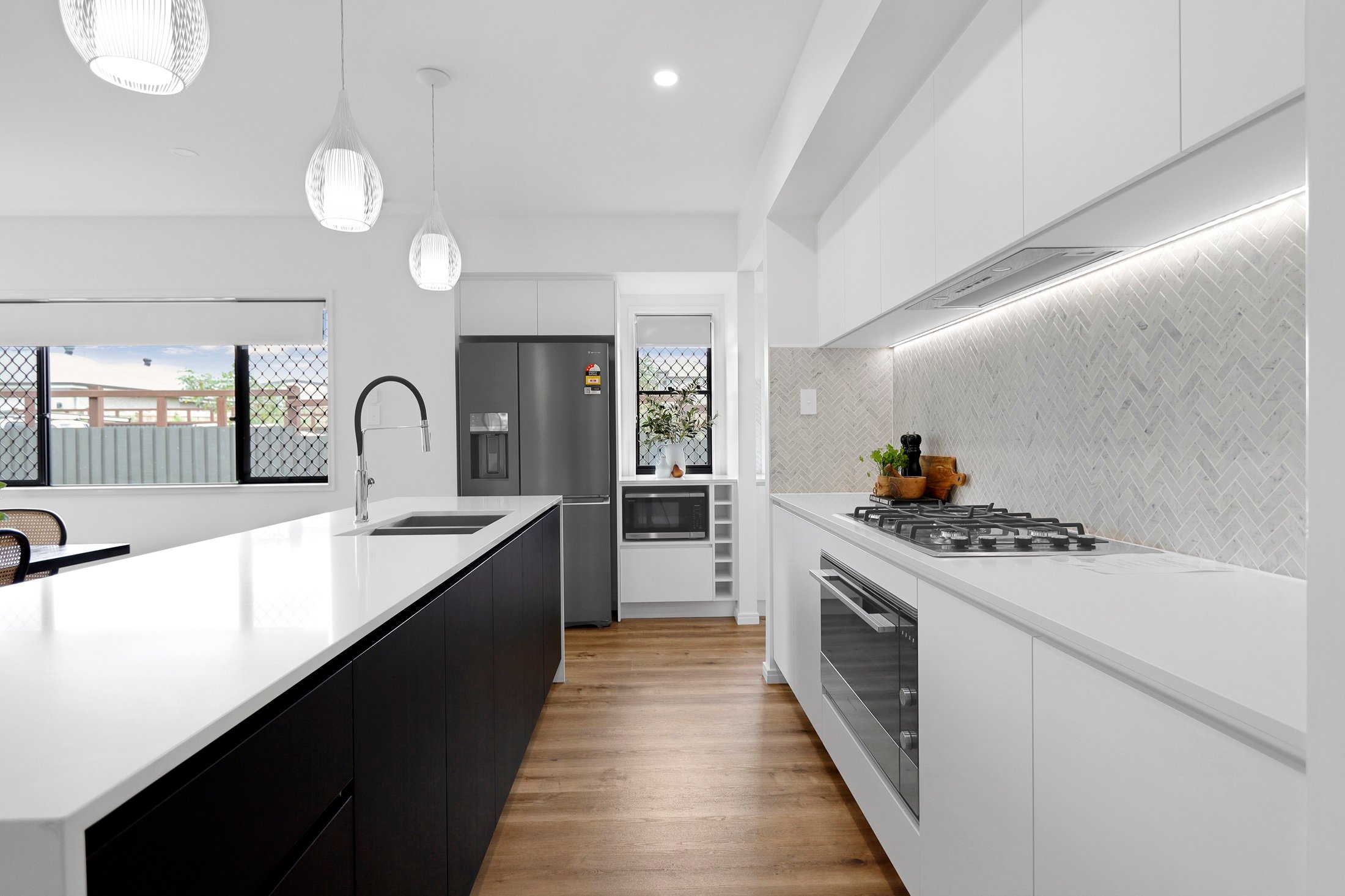
Buying established often involves searching, inspecting properties and negotiating with sellers. Building new can follow a different path, particularly with a team helping you find suitable land, choose your home and navigate the process from start to finish.

Everyone has different priorities when buying a home. Answer six quick questions about what matters most to you, and discover whether building new or buying established could be a better fit.
Your personalised result will appear here once you've answered all six questions.
Your result reflects your preferences, not finance approval or government scheme eligibility. Property availability, costs and your individual circumstances also need to be considered.
Whether you're ready to buy or just exploring what's possible, our Free Home Check is a simple place to start. We'll help you understand your borrowing position, explore available government support and discover what homes could suit your budget and lifestyle.
