
Is it better to rent or buy a home?
Renting offers flexibility, while owning gives you greater stability and the opportunity to build equity. But which option makes more sense financially, and when might buying be the better move?
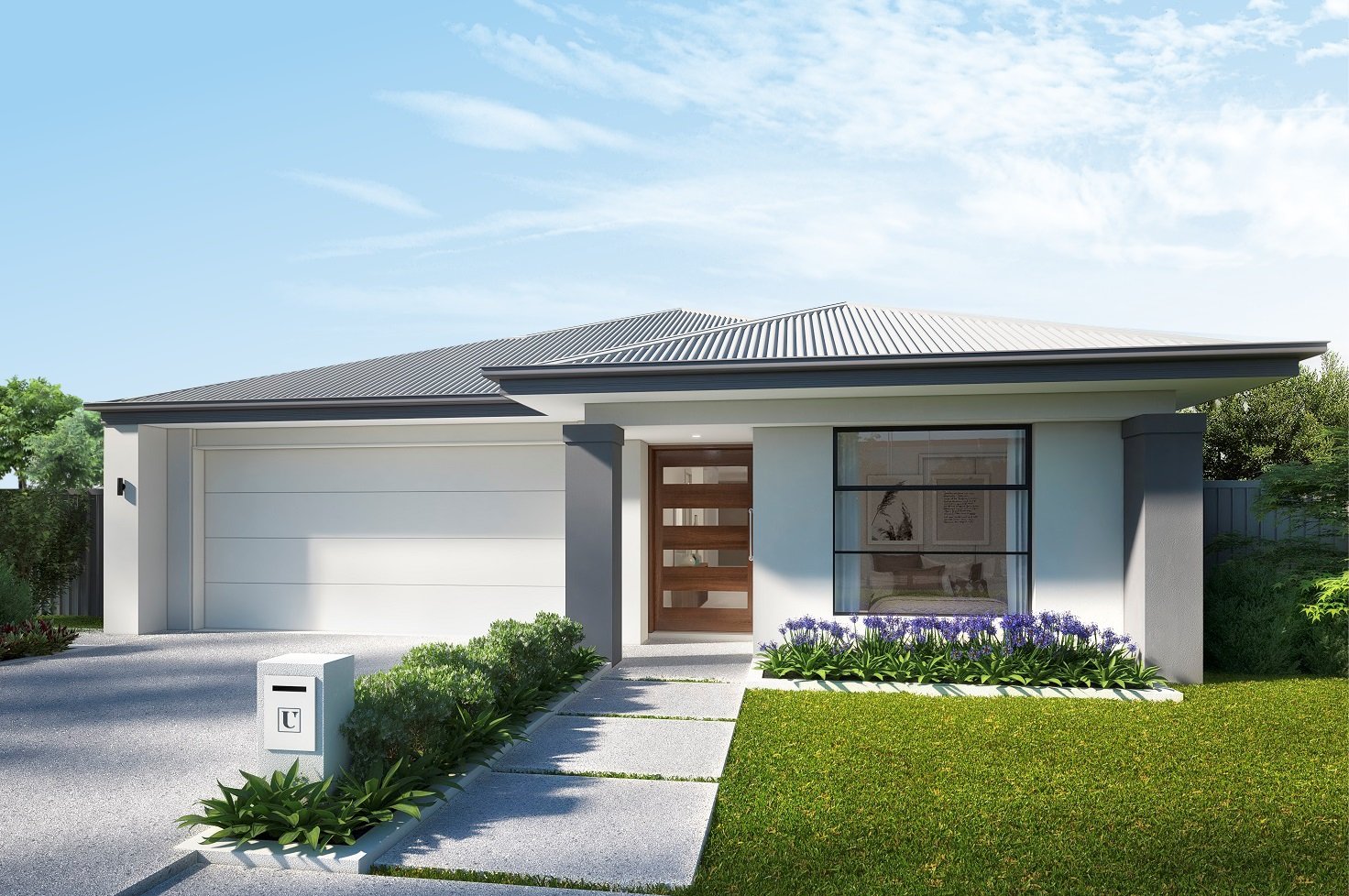
Renting vs buying: What's the difference?
Both have their advantages, and the right choice depends on your finances, lifestyle and future plans. Here's how they compare.
Renting
Generally easier to move when your circumstances change, subject to your lease.
Usually requires a rental bond rather than a substantial home deposit.
Rent increases, lease renewals and decisions made by your landlord can affect your home.
Your rental payments don't build an ownership stake, although you may be able to invest your savings elsewhere.
What could renting cost you over time?
Rent might feel like a weekly expense, but over the years, those payments can really add up. Adjust your weekly rent below to see how much you could spend over time.
For context, Australian advertised rents rose 5.9% over the year to 20 November 2026 (SQM Research). This is a market measure, not a prediction of your next rent increase.
Illustrative only. Assumes 52 weeks of rent per year and the selected increase applied once annually, starting in year two. Actual rent changes may be higher, lower or zero. Totals are rent paid for accommodation, not a comparison with the full costs of home ownership.
What could owning look like over time?
Unlike renting, buying a home gives you the opportunity to gradually pay down your loan and build ownership equity. Explore what your mortgage repayments could look like and how your home's value might change over 30 years.
Your 5% deposit would be approximately $35,000. This gives an estimated home loan of $665,000 before purchase costs, lender's mortgage insurance (LMI) or other contributions.
A 5% deposit may qualify for a participating low-deposit scheme, subject to its rules and lender approval.
30-year property value illustration
Example only, assuming 6.4% annual property value growth compounded over 30 years.
The 6.4% rate is a historical median-price growth estimate for 1991–2021, used here as an illustrative scenario, not a prediction. A different property, location or period could grow more slowly, fall in value or behave differently.
Important information
These are general illustrations, not a borrowing capacity or finance eligibility assessment. Mortgage repayments assume a constant selected interest rate, a 30-year term and monthly principal-and-interest payments. Weekly figures are monthly repayments converted to a weekly equivalent. The 10- and 30-year repayment totals include principal and interest but exclude the initial deposit. The deposit-plus-repayments figure is not investment profit, a net return, or a direct rent-versus-buy comparison.
Figures exclude stamp duty, legal and lender fees, LMI, council rates, insurance, maintenance, repairs and other home ownership expenses. Zero or 2% deposit scenarios generally require special schemes or security arrangements. This calculator does not model government shared equity, grants or lender eligibility. Interest rates and house prices can rise or fall. Property growth is assumed rather than guaranteed, and amounts are nominal without inflation adjustment. Seek individual lending advice before making a purchase decision.
Historical growth reference: DPN — Australian house price growth 1991–2021 . Other measures of national price growth produce different averages.
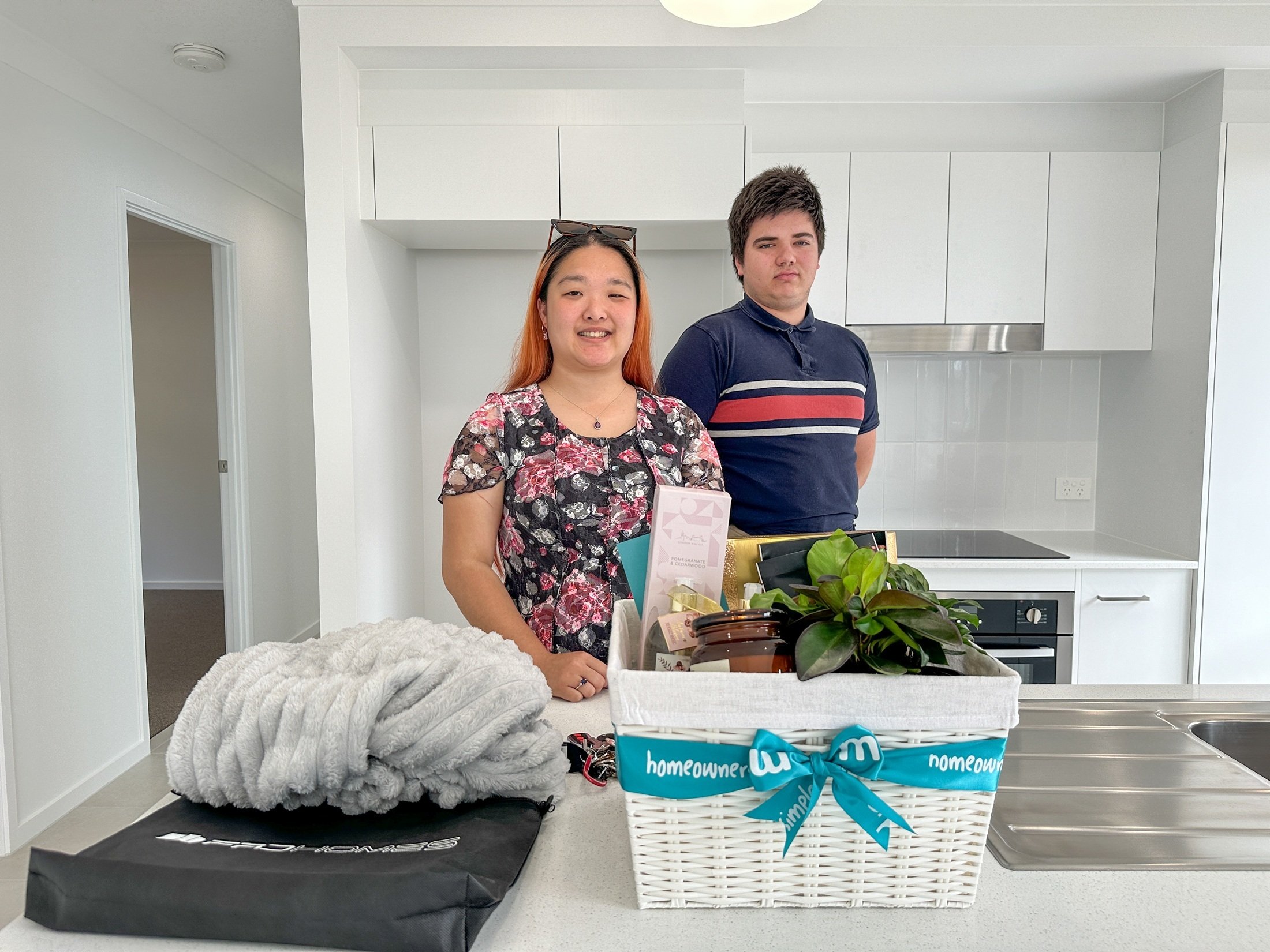
Should you buy now or keep renting?
Buying isn't always the right move for everyone, but you might be closer to being ready than you think. The decision comes down to your finances, lifestyle and long-term goals.
Your savings
Do you have enough saved to get started, or could a government low-deposit scheme help you buy sooner?
Your borrowing capacity
Could you comfortably manage mortgage repayments, household expenses and the ongoing costs of owning a home?
Your future plans
Are you looking to settle down and put down roots, or is the flexibility of renting more important right now?
Your long-term goals
Would owning a home help you build the stability, financial security and lifestyle you're working towards?
Could buying be the better move for you?
Renting and buying both have their advantages, but the real question is what makes sense for your situation, now and in the years ahead. Take our Free Home Check to explore your buying options and see whether owning a home could be within reach.
