Securing your land
Finding the right block for your new home and arranging land settlement.

Building a home involves more than just construction. From finalising your plans and securing approvals to watching your home take shape, each stage brings you a little closer to moving in. Here's how the process typically unfolds.
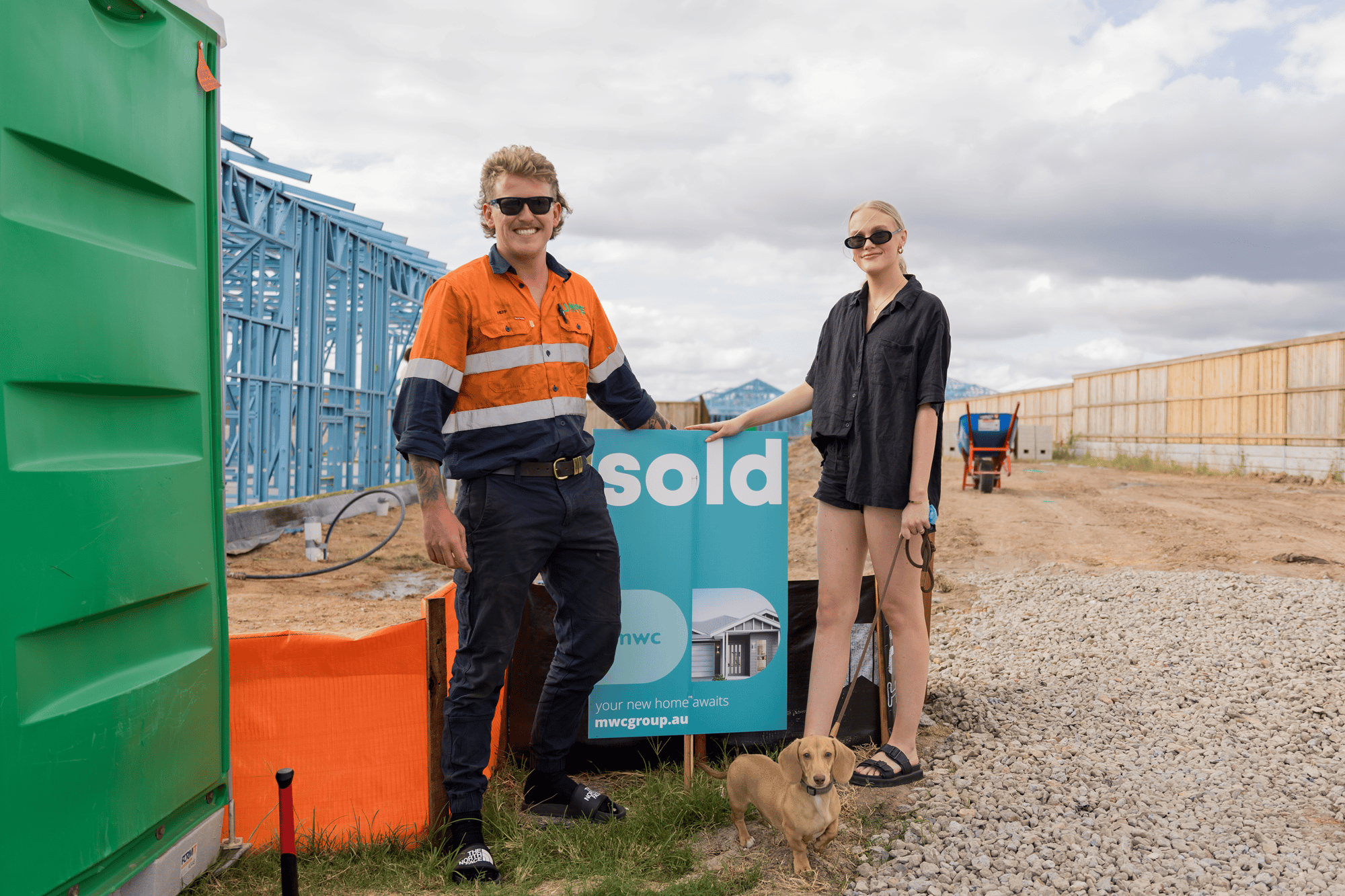
Before construction can start, there's a little groundwork to be done. From securing your land and finalising your home design to arranging finance, selections and building approvals, this stage is all about getting everything in place for a smooth start.
Finding the right block for your new home and arranging land settlement.
Finalising your floorplan, inclusions, pricing and building contract.
Choosing the colours, materials, fixtures and finishes for your home.
Finalising your finance and satisfying your lender’s requirements.
Obtaining the necessary permits and approvals before construction begins.
*Timeframes are indicative only. Some steps may overlap, and untitled land, finance or approval requirements may extend this timeframe.
Once construction begins, your home will take shape through a series of key building stages, from laying the foundations to adding the finishing touches. Construction typically takes around 6–12 months, depending on your builder, home design and site conditions.
Your block is prepared for construction, including excavation, levelling and any necessary site works and temporary fencing.
Underground services and foundations are prepared before your concrete slab is poured, forming the base of your new home.
The structural framework, walls and roof trusses are installed. You'll begin to see the layout, rooms and overall shape of your new home.
External walls, roofing, windows and external doors are installed, allowing your new home to be enclosed and secured.
Internal walls, cabinetry, internal doors, skirting boards and other fittings come together. Your chosen colours and finishes begin to bring your home to life.
The remaining finishes, fixtures and appliances are completed, along with final checks and inspections in preparation for handover.
*Timeframes are indicative only. Scheduling gaps, weather, trade availability and individual building requirements may extend the overall construction period. Refer to your building contract for your agreed construction timeframe.
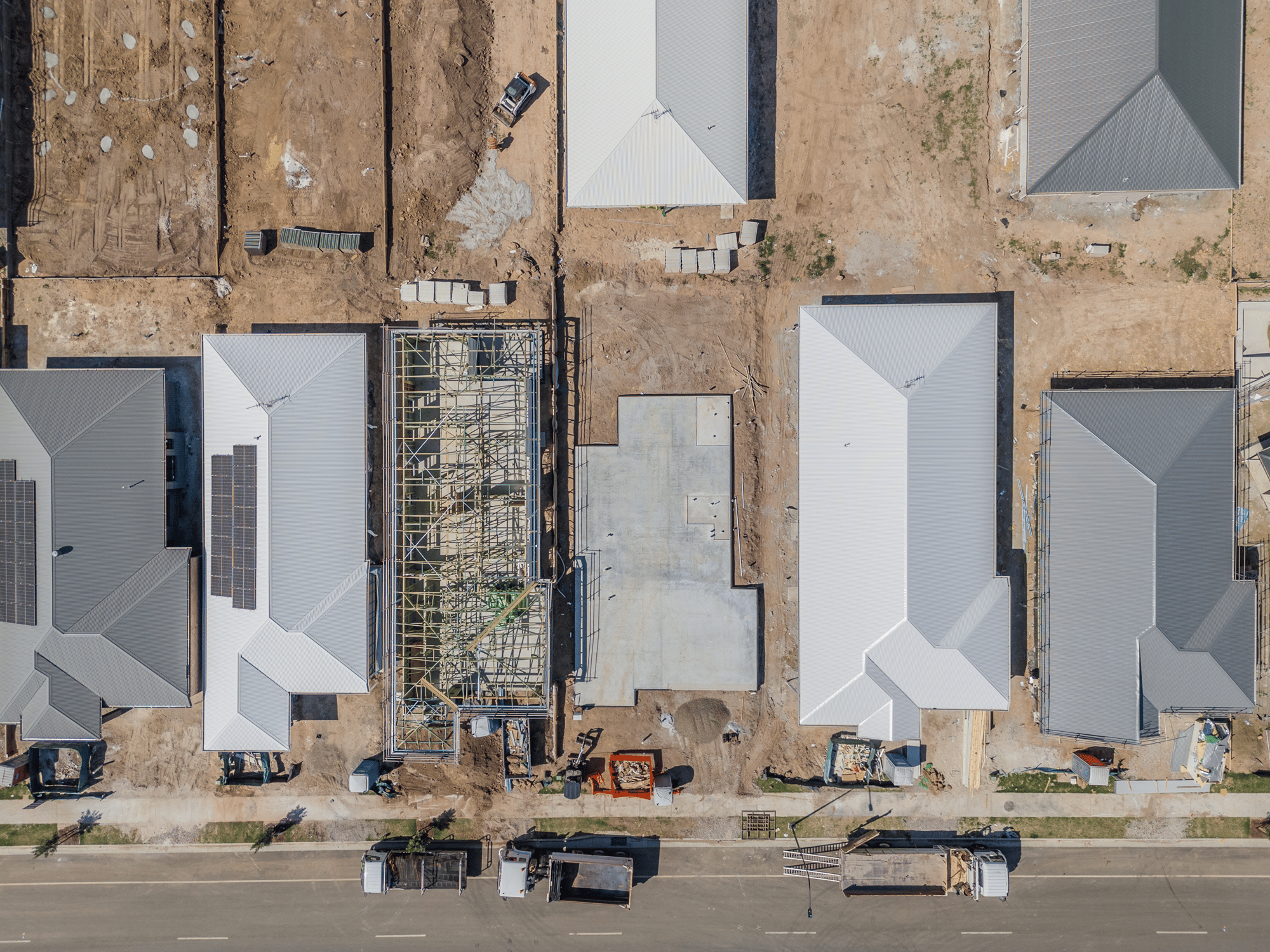
As your home nears completion, it's time for the final inspections, finishing touches and handover. Once the necessary checks, approvals and final payments are completed, you'll be ready to collect your keys and move into your new home.
Walk through your new home, check the finishes against your agreed inclusions and identify anything that needs attention before handover.
Your builder completes the remaining requirements, arranges the necessary occupancy documentation and coordinates the final payment process.
Receive your keys, warranty information and relevant handover documents. It's finally time to make your new house a home.
*Timeframes are indicative only and may vary depending on outstanding works, final approvals, lender processing and your builder's handover requirements.
Every build is different, and there are several factors that can influence how quickly your home is completed. Understanding these early can help you set realistic expectations and better prepare for the journey ahead.
If your land is untitled, construction generally cannot begin until registration and settlement have been completed.
Heavy rain, extreme heat and other weather conditions can interrupt site works and certain stages of construction.
Building permits, planning requirements and developer approvals can vary depending on your location and home design.
The availability of tradespeople, building materials and selected products can influence how quickly each stage progresses.
Larger or more complex homes may take longer to build. Changes made after signing your contract can also extend your timeline.
Finance approvals, lender requirements and the processing of construction progress payments can affect your building timeline.
Finalising your selections early, keeping your finance documents up to date and responding promptly to requests can help keep your building journey moving.
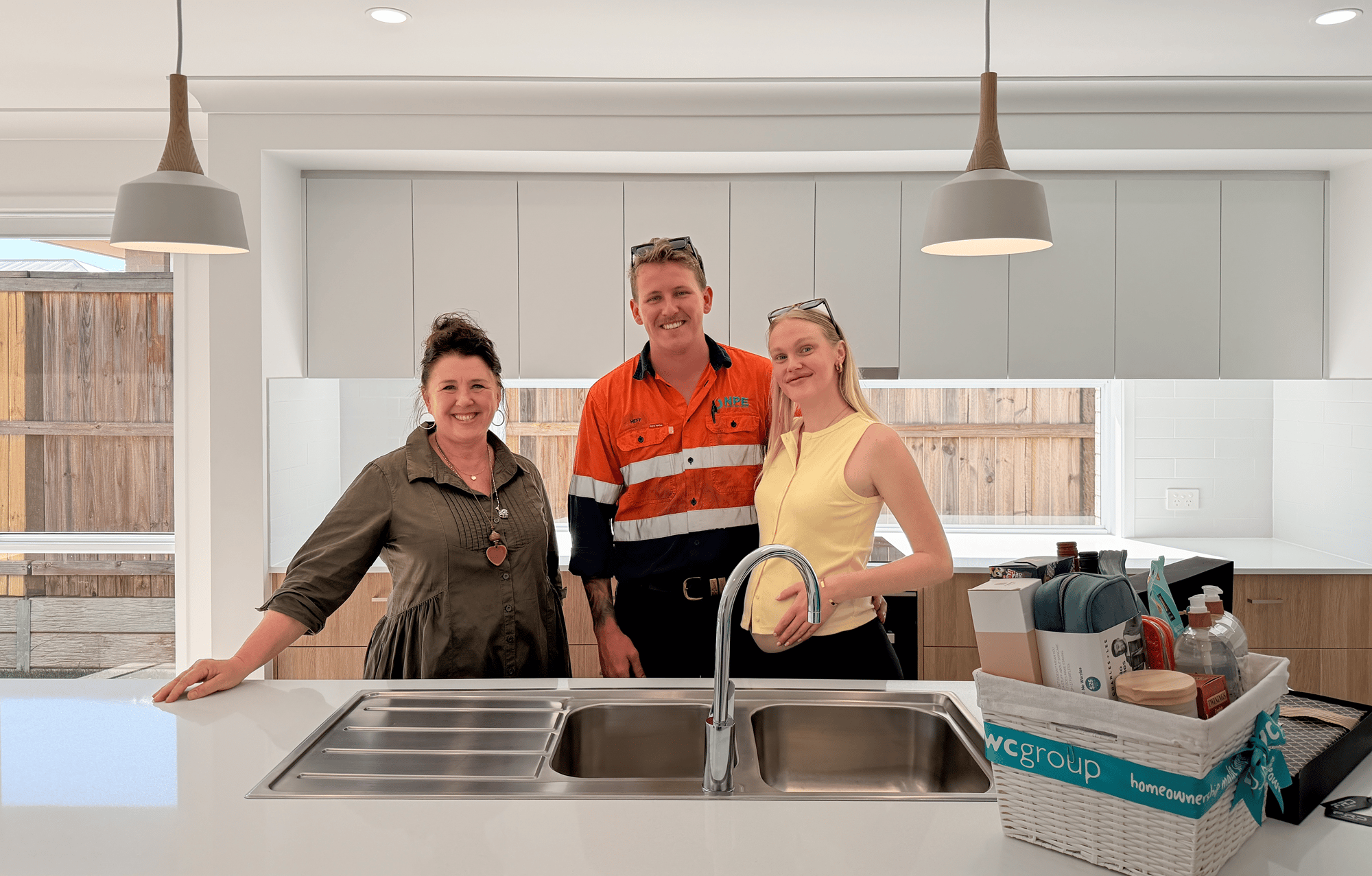
Building a home can come with plenty of questions, particularly if it's your first time. Here are some common things worth knowing before you get started.
Your construction timeframe generally begins once the necessary pre-construction requirements have been satisfied and building officially commences. Your building contract will outline the agreed commencement conditions and construction period.
Yes. You can often select your home design, finalise your inclusions and begin preparing for construction while waiting for your land to register. Construction generally cannot commence until settlement and the necessary building approvals are completed.
Repayments generally begin once funds are drawn from your home loan, which may start at land settlement. During construction, many lenders offer interest-only repayments based on the amount drawn down so far, rather than the full approved loan amount.
Learn more about construction loan repayments →In most cases, site visits can be arranged with your builder at suitable stages of construction. For safety and insurance reasons, you should always arrange access through your builder rather than entering the site independently.
This depends on your builder, contract and the stage of construction. Changes may require a formal variation, additional costs and extra time, which is why it's helpful to finalise your design and selections early.
Your builder will generally provide updates as your home progresses through key construction milestones. The frequency and format of these updates will depend on your builder and their communication process.
It's best to wait until your builder has provided a reliable handover timeframe before making arrangements to leave your rental. Allow some flexibility for final inspections, outstanding works, approvals and payments, and check the notice requirements of your rental agreement.
There's more to building a home than understanding the timeline. Explore our other helpful guides to feel more prepared and confident about your next steps.
Understand what to consider before building your new home.
Explore guide Home buyer guideExplore the differences and discover which option may suit you.
Compare options Free PDF resourceKnow what to look for when exploring house and land packages.
Get checklistBuilding a home could be closer than you think. Whether you're ready to get started or simply exploring your options, we can help you understand what's possible and put a plan together.
